


The time period from 1450 to 1750 represents an era of huge change from a world perspective. This is the time period when Europe "wakes" up and starts to dominate the rest of the world. By 1750 Europeans and their Trading companies (give me a Dutch East India Co) have established control over broad swaths of the world. This is not your grandfather's Europe, these Europeans are not simply here to trade, they are here to stay. The Americas, SE Asia, sections of Africa, Islands in the Pacific . . . the list only expands in the next era. However, this era is not only about Europe, other Muslim empires are formed (Ottomans, not the fashionable couch and the Mughals, not really related to the Mongols). And China is always important and still technically the most powerful nation in the world by 1750. That will soon change though. The Early Modern period accounts for 20% of the AP Exam, so pay close attention to the following . . .
Unit IV in Maps
Early Modern Era Major Empires and Cities

European Explorations (ca 1450 through 1600)

Land Based Empires of the Early Modern Era (by 1750)

Columbian Exchange

Atlantic System of the 16th thru 18th centuries

Atlantic Slave Trade


Unit IV Key Concepts
The Early Modern Era => Global Interactions ca 1450 C.E. to 1750 C.E.
KEY CONCEPT 4.1: Globalizing Networks of Communication and Exchange
The interconnection of the Eastern and Western hemispheres made possible by transoceanic voyaging marked a key transformation of this period. Technological innovations helped to make transoceanic connections possible. Changing patterns of long-distance trade included the global circulation of some commodities and the formation of new regional markets and financial centers. Increased trans-regional and global trade networks facilitated the spread of religion and other elements of culture as well as the migration of large numbers of people. Germs carried to the Americas ravaged the indigenous peoples, while the global exchange of crops and animals altered agriculture, diets, and populations around the planet.
1. Existing regional patterns of trade intensified in the context of the new global circulation of goods.

A. The intensification of trade brought prosperity and economic disruption to the merchants and governments in the trading region of the Indian Ocean, Mediterranean, the Sahara, and overland Eurasia.
II. European technological developments in cartography and navigation built on previous knowledge developed in the Classical, Islamic, and Asian worlds

A. The developments included the production of new tools, innovations in ship designs, and an improved understanding of global wind and current patterns--all of which made transoceanic travel and trade possible.
III. Remarkable new Transoceanic maritime reconnaissance occurred in this period.

A. Portuguese development of the maritime technology and navigational skills led to increased travel and trade with West Africa and resulted in the construction of a global trading post empire
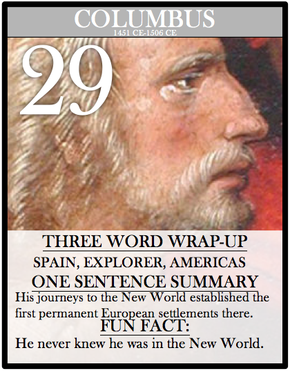
B. Spanish sponsorship of the first Columbian and subsequent voyages across the Atlantic and Pacific dramatically increased interest in transoceanic travel and trade.
C. Northern Atlantic crossings for fishing and for the purpose of settlement continued and spurred European searches for multiple routes to Asia.

IV. The new global circulation of goods was facilitated by royal chartered European monopoly companies and the flow of silver from the Spanish colonies in the Amerias to purchase Asian goods for the Atlantic markets. Regional markets continued to flourish in Afro-Eurasia by using established commercial practices and new transoceanic shipping services developed by European Merchants.

A. European merchants’ role in Asian trade was characterized mostly by transporting goods from one Asian country to another market in Asia or the Indian Ocean region.

B. Commercialization and the creation of a global economy were intimately connected to new global circulation of silver from the Americas. (SEE CRASH COURSE BELOW)

C. Mercantilist policies and practices were used by European rulers to expand and control their economies and claim overseas territories, and joint-stock companies, influenced by these mercantilist principles, were used by rulers and merchants to finance exploration and compete against one another in global trade.


V. The new connections between the Eastern and Western hemispheres resulted in the Columbian Exchange.

A. European colonization of the Americas led to the spread of diseases— including smallpox, measles, and influenza — that were endemic in the Eastern Hemisphere among Amerindian populations and the unintentional transfer of disease vectors, including mosquitoes and rats.


C. Afro-Eurasian fruit trees, grains, sugar, and domesticated animals (horses, cattle, pigs) were brought by Europeans to the Americas, while other foods were brought by African slaves (okra, rice).

D. Populations in Afro-Eurasia benefited nutritionally from the increased diversity of American food crops.

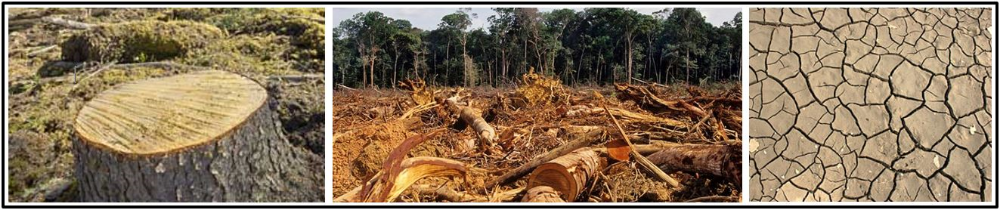
E. European colonization and the introduction of European agriculture and settlements practices in the Americas often affected the physical environment through deforestation and soil depletion.
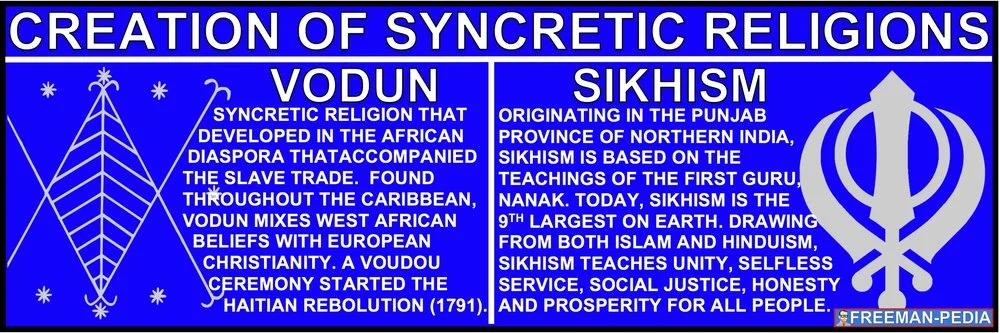
V. The increase in interactions between newly connected hemispheres and intensification of connections within hemispheres expanded the spread and reform of existing religions and contributed to both religious conflicts and the creation of syncretic belief systems and practices.


VII. As merchants' profits increased and governments collected more taxes, funding for the visual and performing arts, even for popular audiences, increased along with an expansion of literacy and increased focus on innovation and scientific inquiry.



KEY CONCEPT 4.2: New Forms of Social Organization and Modes of Production
Although the world’s productive systems continued to be heavily centered on agricultural production throughout this period, major changes occurred in agricultural labor, the systems and locations of manufacturing, gender and social structures, and environmental processes. A surge in agricultural productivity resulted from new methods in crop and field rotation and the introduction of new crops. Economic growth also depended on new forms of manufacturing and new commercial patterns, especially in long-distance trade. Political and economic centers within regions shifted, and merchants’ social status tended to rise in various states. Demographic growth — even in areas such as the Americas, where disease had ravaged the population — was restored by the eighteenth century and surged in many regions, especially with the introduction of American food crops throughout the Eastern Hemisphere. The Columbian Exchange led to new ways of humans interacting with their environments. New forms of coerced and semi-coerced labor emerged in Europe, Africa, and the Americas, and affected ethnic and racial classifications and gender roles.
1. Beginning in the 14th Century, there was a decrease in mean temperatures, often referred to as the Little Ice Age, around the world that lasted until the 19th century, contributing to changes in agricultural practices and the contraction of settlement in parts of the Northern Hemisphere
II. Traditional peasant agriculture increased and changed, plantations expanded, and demand for labor increased. These changes both fed and responded to growing global demand for raw materials and finished products.
A. Peasant and arisan labor intensified in many regions (Frontier settlements in Siberia Russia, Cotton textiles in India, Silk production in China)

B. Slavery in Africa continued both the traditional incorporation of mainly female slaves into households AND the export of slaves to the Mediterranean and the Indian Ocean.
C. The growth of the plantation economy increased the demand for slaves in the Americas.
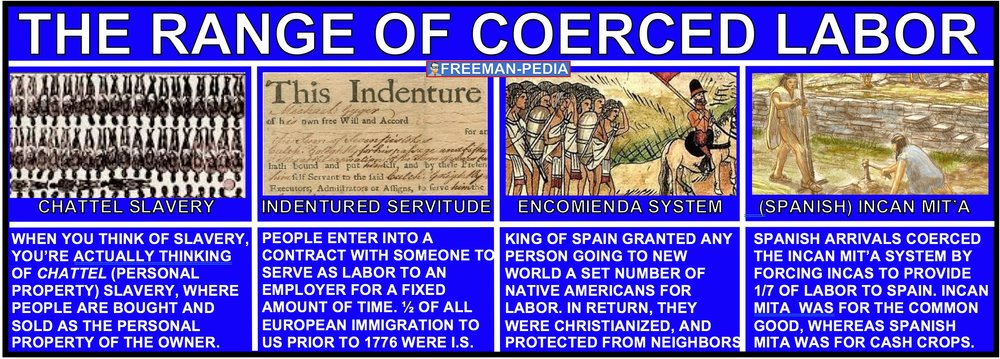
D. Colonial economies in the Americas depended on a range of coerced labor.
III. As new social and political elites changed, they also restructured new ethnic, racial, and gender hierarchies.
A. Both imperial conquests and widening global economic opportunities contributed to the formation of new political and economic elites.

B. The power of existing political and economic elites (Zamindars in the Mughal Empire, Nobility in Europe, Daimyo in Japan) fluctuated as they confronted new challenges to their ability to affect the policies of the increasingly powerful monarchs and leaders.

C. Some notable gender and family restructuring (The dependence of European men on Southeast Asian women for conducting trade, smaller family size in Europe) occurred, including the demographic changes in Africa that resulted from the slave trades.
KEY CONCEPT 4.3: State Consolidation and Imperial Expansion
Empires expanded and conquered new peoples around the world, but they often had difficulties incorporating culturally, ethnically, and religiously diverse subjects, and administrating widely dispersed territories. Agents of the European powers moved into existing trade networks around the world. In Africa and the greater Indian Ocean, nascent European empires consisted mainly of interconnected trading posts and enclaves. In the Americas, European empires moved more quickly to settlement and territorial control, responding to local demographic and commercial conditions. Moreover, the creation of European empires in the Americas quickly fostered a new Atlantic trade system that included the trans-Atlantic slave trade. Around the world, empires and states of varying sizes pursued strategies of centralization, including more efficient taxation systems that placed strains on peasant producers, sometimes prompting local rebellions. Rulers used public displays of art and architecture to legitimize state power. African states shared certain characteristics with larger Eurasian empires. Changes in African and global trading patterns strengthened some West and Central African states — especially on the coast; this led to the rise of new states and contributed to the decline of states on both the coast and in the interior.
I. Rulers used a variety of methods to legitimize and consolidate their power.
A. Rules continued to use religious ideas, art, and monumental architecture to legitimize their rule:


B. Many states adopted practices to accommodate the different ethnic and religious diversity of their subjects or to utilize the economic, political and military contributions of different ethnic or religious groups.

C. Recruitment and use of bureaucratic elites, as well as the development of military professionals, (Ottoman devshirme, Chinese examination system, Salaried samarai) became more common among rulers who wanted to maintain centralized control over their populations and resources.

D. Rulers used tribute collection and tax farming to generate revenue for territorial expansion

II. Imperial expansion relied on the increased use of gunpowder, cannons, and armed trade to establish large empires in both hemispheres.

A. Europeans established new trading-post empires in Africa and Asia, which proved profitable for the rulers and merchants involved in new global trade networks, but the impact of these empires was limited by the authority of local states including the Ashanti and Mughal empires.


B. Land empires -- including the Manchu, Mughal, Ottoman, and Russian -- expanded dramatically in size.


C. European States established new maritime empires in the Americas, including the Portuguese, Spanish, Dutch, French and British





This map shows British, Dutch and Spanish shipping routes from 1750 to 1800. It's been created from newly digitized logbooks of European ships during this period.
III. Competition over trade routes (Omani-European rivalry in the Indian Ocean, Piracy in the Caribbean) , state rivalries (Thirty Years War, Ottoman-Safavid conflict), and local resistance (food riots, samurai revolts, peasant uprisings) all provided significant challenges to state consolidation and expansion.


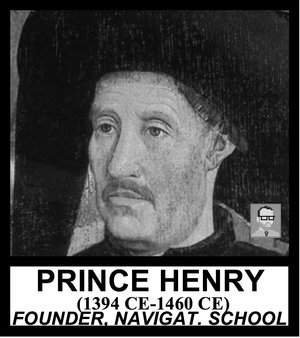
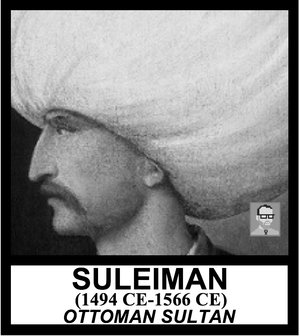
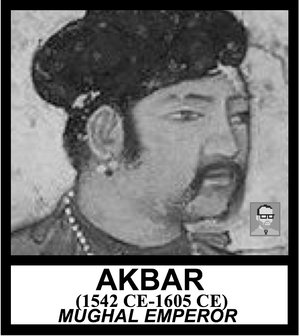
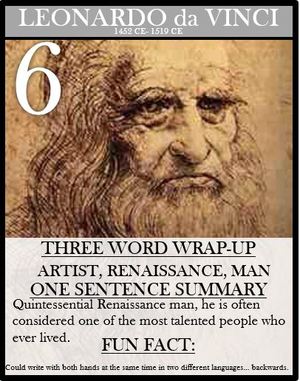




- GUTENBERG BIBLE, 1450, Johannes Gutenberg (GERMANY)
- Journey to the West, Wu Cheng'en (China)
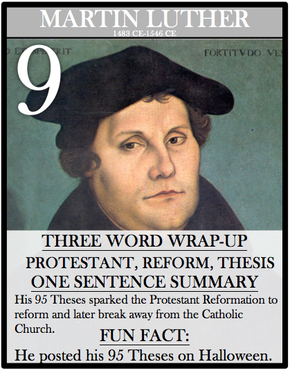
- 95 THESES, 1517, Martin Luther (GERMANY)
- A SHORT ACCOUNT OF THE DESTRUCTION OF THE WEST INDIES, 1542, Bartolome de las Casas (SPANISH AMERICA)
- SLAVE TRADER, 1700, WILLIAM BOSMAN (AFRICAN COAST


