


Ahh, finally European dominance, it only took 12,000 years and will probably not last that long. The previous era was dominated by European discovery and this period is mostly devoted to what Europeans did economically (Industrial Revolution) and politically (Enlightenment driven revolutions). Like the Postclassical era which could be summed up in two words, Muslims and Mongols, this era is mainly Industrialization and Revolution. John Green and others argue that the Industrial Revolution is THE most important thing ever to happen in the history of the world. Two things that have been on every AP World exam are Industrialization and the Columbian Exchange, so make sure you understand both well. This is also the only unit in AP World with four subsections . . .
Unit V in Maps
Modern Era Major Empires and Cities

Modern Era Items for Export

Global Migrations of the 19th century


Unit V Key Concepts
The Modern Era => Industrialization and Global Integration (1750 CE to 1900 CE)
Industrialization fundamentally altered the production of goods around the world. It not only changed how goods were produced and consumed and what was considered a "good", it also had far-reaching effects on the global economy, social relations, and culture. Although it is common to speak of the "Industrial Revolution." the process of industrialization was a gradual one that unfolded over the course of the 18th and 19th centuries, eventually becoming global.
KEY CONCEPT 5.1: The Process of Industrialization changed the way in which goods were produced and consumed, with far-reaching effects on the global economy, social relations, and culture.

1. Industrialization fundamentally changed how goods were produced
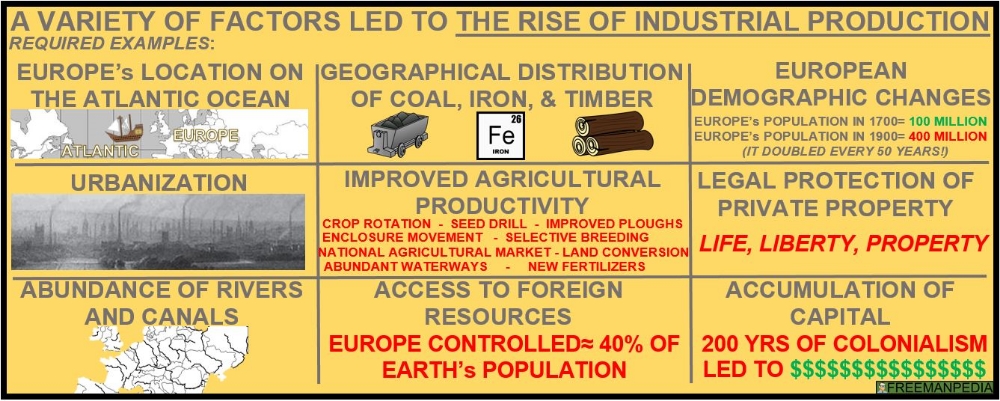
A. A variety of factors that led to the rise of industrial production and eventually resulted in the Industrial Revolution included:
B. The development of machines, including steam engines and the internal combustion engine, made it possible to take advantage of vast new resources of energy stored in fossil fuels, specifically coal and oil. The fossil fuels revolution greatly increased the energy available to human societies.

Watt Steam Engine

Internal Combustion Engine

C. The development of the factory system concentrated labor in a single location and led to an increasing degree of specialization of labor.


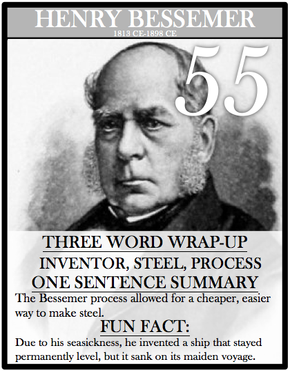
E. The “second industrial revolution” led to new methods in the production of steel, chemicals, electricity and precision machinery during the second half of the nineteenth century.

II. New patterns of global trade and production developed and further integrated the global economy as industrialists sought raw Materials and new Markets (M&Ms) for the increasing amount and array of goods produced in their factories.

A. The need for raw materials for the factories and increased food supplies for the growing population in urban centers led to the growth of export economies around the world that specialized in commercial extraction of natural resources and the production of food and industrial crops. The profits from these raw materials were used to purchase finished goods.

B. The rapid development of steam powered industrial production in European countries and the U.S. contributed to the increase in these regions' share of global manufacturing during the first Industrial Revolution. While Middle Eastern and Asian countries continued to produce manufactured goods, these regions' share in global manufacturing declined.

C. The global economy of the 19th century expanded dramatically from the previous period due to the increased exchanges of ra materials and finished goods in most parts of the world. Trade in some commodities was organized in a way that gave merchants and companies based in Europe and the US, a distinct economic advantage

III. To facilitate investments at all levels of industrial production, financiers developed and expanded various financial institutions.
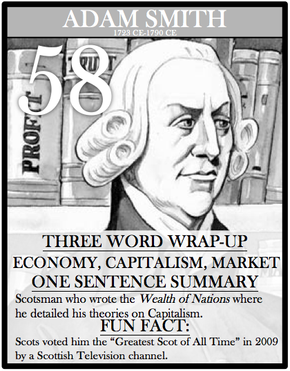
A. The ideological inspiration for economic changes lies in the development of capitalism and classical liberalism associated with Adam Smith and John Stuart Mill

B. The global nature of trade and production contributed to the proliferation of large-scale transnational businesses(United Fruit Company, The HSBC- Hong Kong and Shanghai Banking Corporation)

...that relied on various financial instruments (Stock markets, insurance, Gold standard, Limited liability corporations like Rhinehart Photography LLC!)

IV. There were major developments and innovations in transportation and communication Required examples of developments in transportation and communication

Examples: Railroads, Steamships, Telegraphs, Canals
V. The development and spread of global capitalism led to a variety of responses.
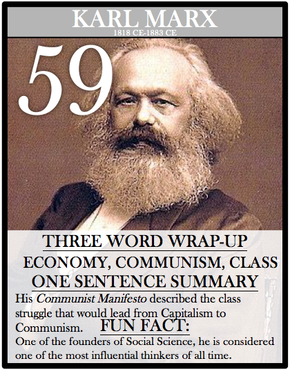
A. In industrialized states, many workers organized themselves (often into labor unions) to improve working conditions, limit hours, and gain higher wage. Workers' movements and political parties emerged in different areas, promoting alternative visions of society, including (Marxism, Anarchism).

B. In response to the expansion of industrializing states, some governments in Asia and Africa such as the Ottoman Empire and Qing China, sought to reform and modernize their economies and militaries. Reform efforts were often resisted by some members of government or established political hierarchies.

Self Strengthening Movement

Tanzimat reforms
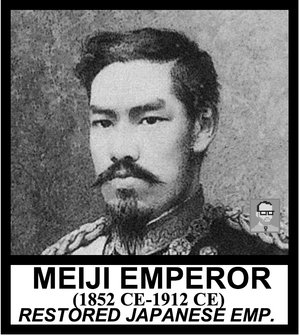
C. In a small number of states, governments promoted their own state-sponsored visions of industrialization (Economic reforms of Meiji Japan, Developments of factories and railroads in Tsarist Russia, Muhammad Ali's development of cotton textile industry in Egypt)

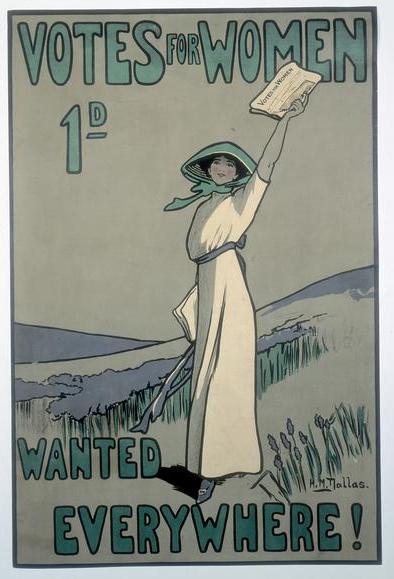
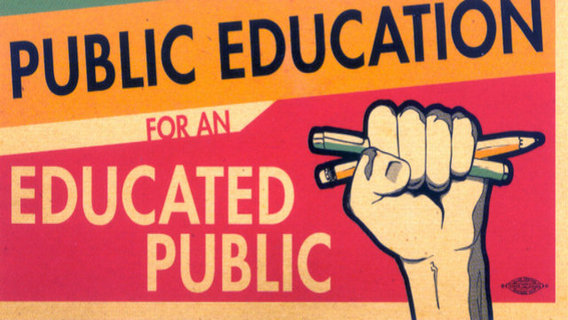
D. In response to the social and economic changes brought about by industrial capitalism, some governments promoted various types of political, social, educational, and urban reforms.(State pensions and public health in Germany, Expansion of suffrage in Britain, Public Education)

VI. The ways in which people organized themselves into societies also underwent significant transformations in industrialized states due to the fundamental restructuring of the global economy.
A. New social classes, including the middle class and the industrial working class, developed.

B. Family dynamics, gender roles, and demographics changed in response to industrialization.


C. Rapid urbanization that accompanied global capitalism often led to unsanitary conditions, as well as to new forms of community.


KEY CONCEPT 5.2: Imperialism and Nation State Formation
As states industrialized during this period, they also expanded their existing overseas colonies and established new types of colonies and transoceanic empires. Regional warfare and diplomacy both resulted in and were affected by this process of modern empire building. The process was led mostly by Europe, although not all states were affected equally, which led to an increase of European influence around the world. The United States and Japan also participated in this process. The growth of new empires challenged the power of existing land-based empires of Eurasia. New ideas about nationalism, race, gender, class, and culture also developed that facilitated the spread of transoceanic empires, as well as justified anti-imperial resistance and the formation of new national identities.
1. Industrializing powers established transoceanic empires.
A. States with existing colonies (British in India, Dutch in Indonesia) strengthened their control over those colonies.

B. European states, as well as the Americans and the Japanese, established empiresthroughout Asia and the Pacific, while Spanish and Portuguese influence declined.


For all Graphic of all Modern Empires CLICK HERE
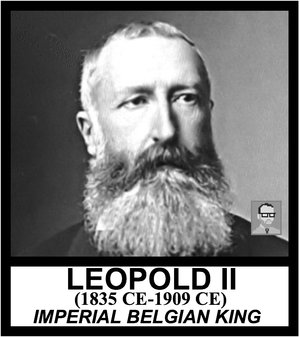
C. Many European states (Britain in West Africa, Belgians in the Congo) used both warfare and diplomacy to establish empires in Africa


D. In some parts of their empires, Europeans established settler colonies (The British in Southern Africa, Australia, The French in Algeria)

E. Industrialized states practiced Neocolonialism in Latin America and economic imperialism in some parts of the world (British and French expanding their influence in China through the Opium War, The British and the United States investing heavily in Latin America)


II. Imperialism influenced state formation and contraction around the world.
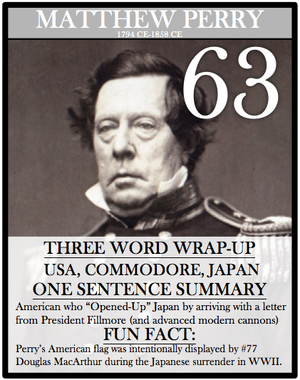
A. The expansion of U.S. and European influence over Tokugawa Japan led to the emergence of Meiji Japan.
B. The United States, Russia, and Japan expanded their land borders by conquering and settling neighboring territories.

C. Anti-resistance took various forms, including direct resistance within empires and the creation of new states on the peripheries.

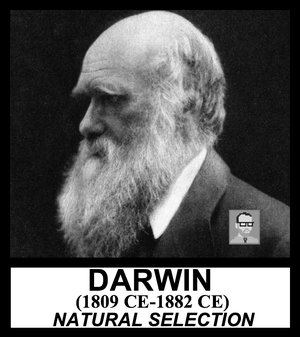
III. In some imperial societies, emerging cultural religious and racial ideologies, including Social Darwinism, were used to justify imperialism.

KEY CONCEPT 5.3: Nationalism, Revolution and Reform
The eighteenth century marked the beginning of an intense period of revolution and rebellion against existing governments, and the establishment of new nation-states around the world. Enlightenment thought and the resistance of colonized peoples to imperial centers shaped this revolutionary activity. These rebellions sometimes resulted in the formation of new states and stimulated the development of new ideologies. These new ideas in turn further stimulated the revolutionary and anti-Imperial tendencies of this period
I. The rise and diffusion of Enlightenment thought that questioned established traditions in all areas of life often preceded the revolutions and rebellions against existing governments

A. Enlightenment philosophies applied new ways of understanding and empiricist approaches to both the natural world and human relationships, encouraging observation and inference in all spheres of life...


... they also reexamined the role that religion played in public life, insisting on the importance of reason as opposed to revelation...

... other Enlightenment philosophies developed new political ideas about the individual, natural rights, and the social contract
B. The ideas of Enlightenment philosophers, as reflected in revolutionary documents (see below) influenced resistance to existing political authority, often in pursuit of independence and democratic ideals.

C. Enlightenment ideas influenced various reform movements that existing notions of social relations, which contributed to the expansion of rights as seen in expanded suffrage, the abolition of slavery and the end of serfdom, as their ideas were implemented.

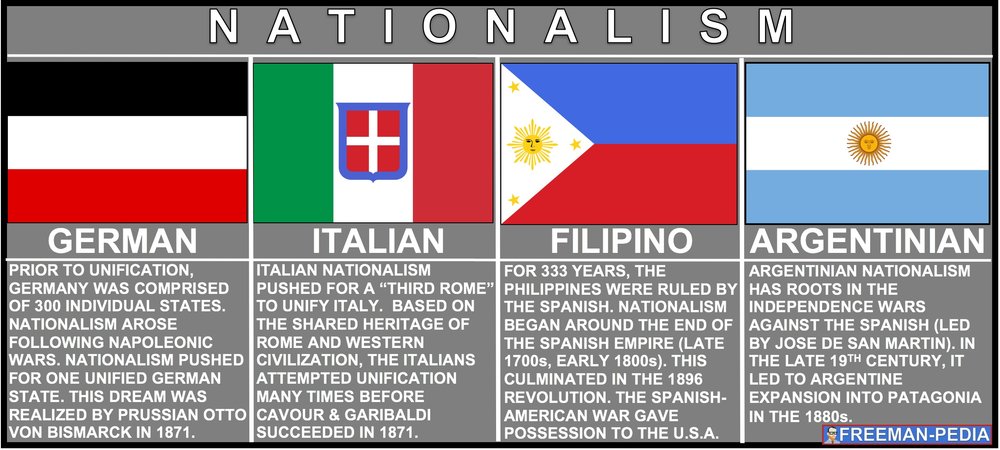
II. Beginning in the eighteenth century, peoples around the world developed a new sense of commonality based on language, religion, social customs and territory. These newly imagined national communities linked this identity with the borders of the state, while governments used this idea of Nationalism to unite diverse populations. In some cases, nationalists challenged boundaries or sought unification of fragmented regions.
III. Increasing discontent with imperial rule propelled reformist and revolutionary movements.
A. Subjects challenged the centralized imperial governments (Marathas vs. Mughals, Taiping vs. Qing Dynasty)

Hong Xiuquan declared himself the brother of Jesus, initiated the Taiping Rebellion

Flag of the Maratha Empire
B. American colonial subjects led a series of rebellions (American, Haitian, & Latin American), which facilitated the emergence of independent states in the United States, Haiti, and mainland Latin America.


C. Slave resistance challenged existing authorities in the Americas. (establishment of Maroon societies in Caribbean and North American slave resistance)


D. Increasing questions about political authority and growing nationalism contributed to anticolonial movements (Indian Revolt of 1857, Boxer Rebellion)


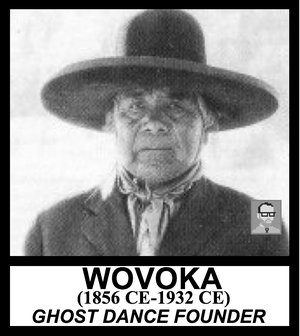
E. Some of the rebellions were influenced by diverse religious ideas (Taiping Rebellion, The Ghost Dance, The Xhosa Cattle Killing Movement)


IV. The global spread of European political and social thought and the increasing number of rebellions stimulated new transnational ideologies and solidarities.
A. Discontent with monarchist and imperial rule encouraged the development of political ideologies, including liberalism, socialism, and communism.
B. Demands for women’s suffrage and an emergent feminism (Mary Wollstonecraft's A Vindication of the Rights of Women, Olympia de Gouges's Declaration of the Rights of Women and the Female Citizen, The Resolution passed at the Seneca Falls convention in 1848) challenged political and gender hierarchies

KEY CONCEPT 5.4: Global Migrations
Migration patterns changed dramatically throughout this period, and the numbers of migrants increased significantly. These changes were closely connected to the development of transoceanic empires and a global capitalist economy. In some cases, people benefited economically from migration, while other people were seen simply as commodities to be transported. In both cases, migration produced dramatically different societies for both sending and receiving societies, and presented challenges to governments in fostering national identities and regulating the flow of people.

I. Migration in many cases was influenced by changes in demographics in both industrialized and un-industrialized societies that presented challenges to existing patterns of living.
A. Changes in food production and improved medical conditions contributed to a significant global rise in population.

B. Because of the nature of the new modes of transportation, both internal and external migrants increasingly relocated to cities. This pattern contributed to the significant global urbanization of the nineteenth century. The new methods of transportation also allowed for many migrants to return periodically or permanently to their home societies. (Japanese Agricultural workers in the Pacific, Lebanese merchants in the Americas, Italians in Argentina)

II. Migrants (manual laborers, specialized professionals) relocated for a variety of reasons.
A. Many individuals (manual laborers, specialized professionals)chose freely to relocate, often in search of work

B. The new global capitalist economy continued to rely on coerced and semi-coerced labor migration including Slavery, Chinese and Indian indentured servitude, and Convict labor.

III. The large-scale nature of migration, especially in the nineteenth century, produced a variety of consequences and reactions to the increasingly diverse societies on the part of migrants and the existing populations.
A. Migrants tended to be male, leaving women to take on new roles in the home society that had been formerly occupied by men.


B. Migrants often created ethnic enclaves (Chinese in Southeast Asia, Caribbean, South America, North America (also the Washington DC Chinatown); Indians in East and Southern Africa, Irish and Italians in North America) in different parts of the world which helped transplant their culture into new environments and facilitated the development of migrant support networks.

C. Receiving societies did not always embrace immigrants, as seen in the various degrees of ethnic and racial prejudice and the ways states attempted to regulate the increased flow of people (Chinese Exclusion Act, White Australia Policy) across their borders.


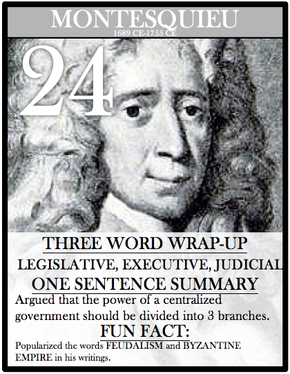


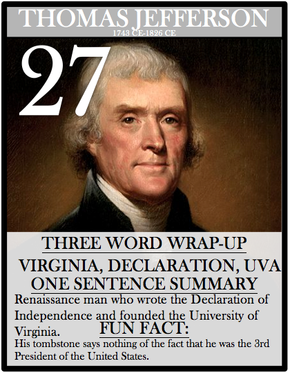
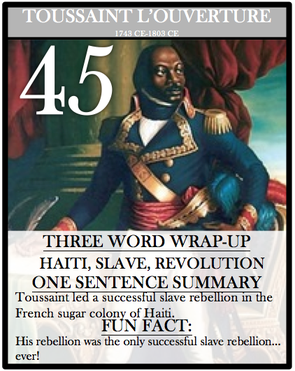
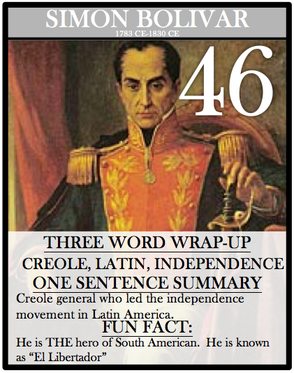

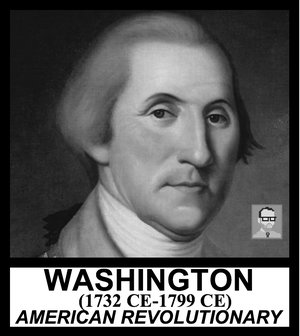

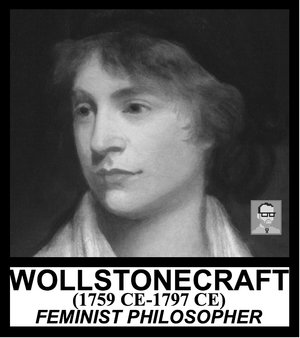
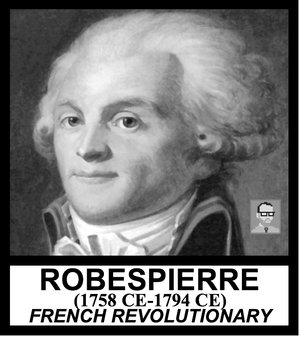
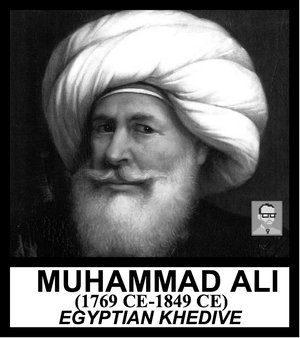




- DECLARATION of INDEPENDENCE, 1776, Thomas Jefferson (USA)
- WEALTH of NATIONS, 1776, Adam Smith (SCOTLAND)
- DECLARATION of the RIGHTS of MAN , 1789, National Assembly (FRANCE)
- JAMAICA LETTER, 1815, Simon Bolivar (JAMAICA)
- COMMUNIST MANIFESTO, 1848, Karl Marx (GERMANY)


